4 min read
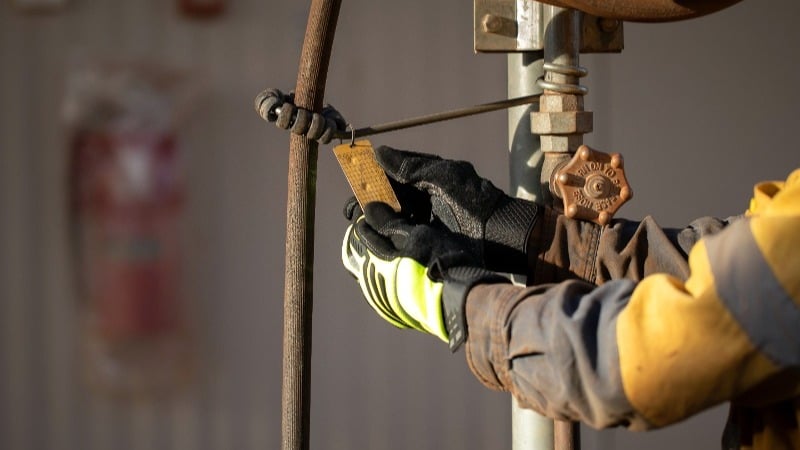
As a building or facility owner, you must take a proactive approach to establish a program for periodic testing, inspection, and maintenance. Otherwise, deficiencies such as inoperative fire pumps and inoperative fire sprinkler control valves may lead to disaster.
A lot is riding on your fire sprinkler system's ability to function properly. As such, you should make a habit of inspecting your fire sprinkler systems weekly. It's a requirement to hire a professional to carry out a full inspection at least once every year.
The National Fire Protection Association (NFPA) requires wet and dry systems to undergo testing every five years and a full performance test of the dry system every 3 years. That said, the NFPA 25 Standard for the Inspection, Testing, and Maintenance of Water-Based Fire Protection Systems requires certain weekly, monthly, quarterly, and annual inspections.
Weekly Inspection Procedures
These basic visual checks take just minutes—and they’re your first line of defense in catching issues before they become emergencies. Here's what to verify each week:
- Inspect fire protection mains and branch lines prone to freezing temperatures to ensure proper functioning.
- Visually inspect all fire doors to ensure they’re free from obstructions and in good operating condition.
- Inspect and test automatic and manual fire alarm systems.
- Visually inspect gauges on dry, pre-action, and deluge systems to verify normal water and air pressures.
Monthly Inspections
The following testing and inspection requirements are in addition to those required for weekly fire sprinkler inspections. Monthly checks build on your weekly routine, helping you catch valve issues and pressure changes that could indicate system problems:
- Visually inspect all control valves to ensure they are accessible, free from external leaks, and in their normal position.
- Visually inspect gauges on wet pipe systems to verify normal water pressure and ensure they’re in good working order.
Document these monthly inspections for a clear maintenance record. It can be invaluable for insurance purposes and compliance verification.
Quarterly Tests and Inspections
Every three months, you'll need to verify that critical system components are functioning correctly. Quarterly inspections address components that don't need monthly attention but are too important to check only annually:
- For hydraulically designed sprinkler systems, ensure the nameplate is legible and securely attached to the riser.
- Test and inspect water flow alarm devices to ensure they’re in good working condition.
- Inspect pressure-reducing valves to ensure they're in the open position, free from leaks, and in good condition.
- Mechanical water flow alarm devices should be tested quarterly. However, you can stick to semi-annual inspections if you have vane-type or pressure switch-type alarm devices.
- Inspect fire department connections to ensure that they’re in place, visible, accessible, free of physical damage, and working properly.
Annual Tests and Inspections
The NFPA 25 has very detailed instructions on annual testing and inspection procedures. Because of their complexity, annual fire sprinkler inspections should only be performed by licensed sprinkler contractors.
Annual inspections verify that your entire system will perform when it matters most:
- All sprinklers, hangers, pipes, and fittings should be tested to ensure good working conditions.
- Main drain tests should be conducted on all sprinkler systems to verify control valves are in the open position and working properly.
- Dry pipe valves should undergo a throttle trip test, cleaning, and resetting.
- Deluge valves should have a full trip test at least once a year. The maximum frequency between full trip tests ought to be within 3 years.
- All antifreeze solution used in the systems should be tested and adjusted if necessary before the onset of cold water.
- Nozzles on water spray systems should be visually inspected and tested for proper flow.
The system strainer should be removed and visually inspected for damage. Any corroded parts should then be replaced.
Update 50-Year Sprinkler Head Replacement in Dwelling Units
One of the most significant changes in the 2026 edition affects property managers of apartment buildings, condominiums, senior living facilities, and other dwelling units. The standard now is that sprinklers installed in dwelling units for 50 years or more must either:
- Be replaced with new quick response sprinkler head replacement, or
- Pass thermal sensitivity testing showing an RTI (Response Time Index) that does not exceed 65 (meters-seconds)½
A dwelling unit includes apartments, condominiums, hotel rooms, dormitory rooms, sleeping rooms in nursing homes, and similar living spaces. This requirement recognizes that aging sprinklers in residential spaces (where people sleep and may not immediately notice a fire) need enhanced reliability to provide adequate protection.
If you manage older residential properties, now is the time to look at the age of your sprinkler systems and plan for compliance with this requirement.
Preventing Loss with Testing and Inspection of Fire Sprinkler Systems
Any sprinkler that shows signs of leakage, corrosion, physical damage, paint not applied by the original manufacturer, or loss of fluid must be replaced. Not having regular testing and inspection can leave your building entirely unprotected in the event of a fire.
Failure to maintain compliance with NFPA 25 can result in code violations, insurance complications, and a system that fails to operate during an actual fire emergency.
Conduct regular inspections to find small issues before they become system failures, document your due diligence for insurance purposes, and make sure your fire protection systems will actually work when lives depend on them.
Partnering with a fire monitoring service ensures your fire sprinkler systems are routinely inspected and tested to ensure proper functionality at all times.