4 min read
Are your building’s fire safety and security systems good enough to fully protect infrastructure and the people who use the premises? If the worst happens, system failures can result in extensive physical damage to your building and potential physical harm to humans. The costs could be enormous.
But the hidden costs of mediocre fire safety and security preparations can be even more devastating. What can happen when “good enough” isn’t enough?
Hidden Fire Safety Costs
Fire safety protection covers infrastructure, equipment, ongoing monitoring, regular inspections, and maintenance. Has your vendor tailored your fire safety systems to fit the specific needs of your building and occupants?
If you’re using standardized solutions, you could miss important details or receive inadequate follow-up services. For example:
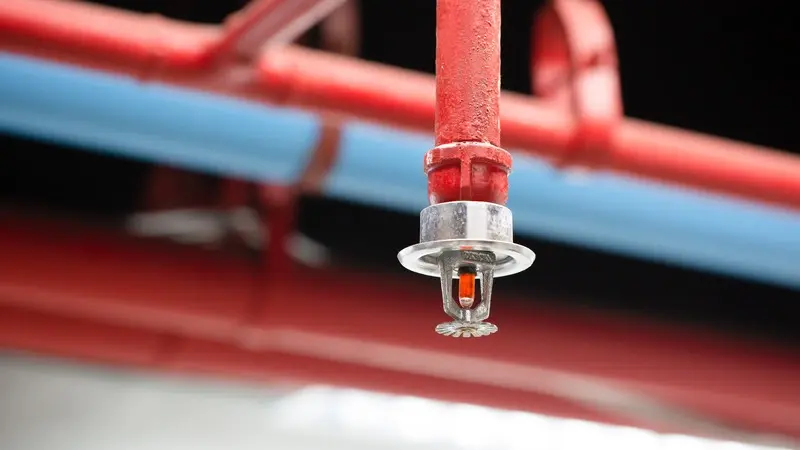
- Sprinkler and/or suppression system deficiencies may only appear when there’s an actual fire.
- Missed or cursory inspections often fail to uncover small defects or other issues, leaving you vulnerable to serious, costly repairs or equipment failure in an emergency.
Without a proactive approach to system and personnel updates, you could limit your safety and security effectiveness. Your vendor should provide fire safety and monitoring services that have you covered comprehensively.
Hidden Security Costs
Trying to handle security management on your own is risky. There’s more to it than hiring someone in a uniform to sit at the front desk, especially if you’re managing multiple locations. Beyond controlling access, you must:
- Understand your industry standards, which are complex and subject to change
- Track and maintain system and service data
- Ensure regulatory compliance and timely reporting
- Retrain personnel (or risk losing continuity every time there is turnover)
A responsive access control and monitoring vendor can help with these goals, while improving the safety of your buildings and occupants.
Fire safety and building security have the same ultimate goal: protection of property and people. A comprehensive approach to ongoing safety and security can improve efficiency and offer greater peace of mind – if you choose a vendor who will serve as a true working partner.
Communications Breakdown
Everyday vendor responsiveness is just as important as emergency response. That means being available 24/7 for questions or assistance, while also proactively sharing knowledge and advice to boost your safety efforts. For example:
- Has your vendor covered all your building’s potential security vulnerabilities and how to effectively address them?
- Do they provide reports or other updates quickly, so you can take prompt action if needed?
- Do they provide tools and expertise to assist with onsite emergency preparation and training? This includes staff, students, visitors – anyone who uses your building relies on signage and auditory instructions to safely evacuate in an emergency.
- How many vendors are you using? When multiple entities are involved, the risk of communication or service gaps increases. You may also be wasting money on redundant services or poorly coordinated equipment.
Financial and Legal Costs
Lack of proper routine maintenance leads to premature equipment wear and costly repairs or replacement. Does your current vendor help you with budgeting and planning, to ensure cost-efficient operation?
Building evacuation, even for a short period, disrupts work and your (or your tenants’) ability to conduct business. The resulting lost revenue can be debilitating. Structural damage also disrupts work, maybe for weeks or months, and repairs can run into the hundreds of thousands of dollars.
If you have a fire or security incident, and you weren’t up to code or current with inspections, you could face fines or other penalties from regulators, higher insurance premiums, and potential lawsuits.
Any or all of these can damage your reputation with building users, fire and police officials, even the public.
You Can’t Afford These Costs
So, how can you tell if you’re getting everything you need from your vendor?
First, establish a set of vendor performance baselines. This helps in two ways:
- You’ll have criteria to assess your current vendor’s performance, including critical intangibles like responsiveness and reliability.
- You’ll have an effective checklist to ensure no aspect of your fire safety and security program is overlooked.
“Good enough” and peace of mind don’t work together. Wouldn’t you rather rest easier knowing your vendor really does have your back?
Make time to assess your present fire safety and security systems and protocols. Don’t put it off, because there’s too much at stake. And if you determine it’s time for a new, more responsive and reliable vendor, don’t put that off either. The transition can be surprisingly smooth, and you’ll feel more confident.