3 min read
For a single building, fire safety and security is difficult enough. Add a dozen or more locations, and it gets harder. Add seasonal schedules on top of that, and it becomes a huge challenge.
Parks and recreation operators, district facilities teams, and similar multi-site organizations face this every year. Buildings open in spring, run through summer, then close in fall. By the time they reopen, months have passed, systems have sat idle, and compliance windows may have already closed.
Here's where seasonal, multi-site facilities tend to run into trouble—and what it takes to stay ahead of it.
The Inspection Timing Problem
NFPA 25 and NFPA 72 both require inspections on an annual schedule, regardless of how long a building is in use.
An inspection completed in September may expire before the season starts again. One scheduled at reopening may push the interval past what the standard allows. Either way, a lapsed inspection on even one building in a portfolio is a risk.
Instead, plan inspection timing around your seasonal calendar. That means knowing when each building closes and the compliance window for each system type—and tracking it all in one place.
Monitoring Gaps When Buildings Are Unoccupied
When a fire alarm triggers in an occupied building, someone responds. When it triggers in a building that's been closed for months, there may be no response at all.
Unoccupied buildings carry specific risks: pipe freezes can trip sprinkler systems, electrical issues can compromise alarms, and weather or vandalism can cause damage that goes unnoticed until spring. Without active monitoring, you may not find out something failed until a technician walks in for reopening.
Establish year-round monitoring to avoid these issues, even on closed buildings. Some organizations scale back coverage in the off-season to cut costs, which can create a gap that's expensive to find later.
Access Control Across Seasonal Staff
Each spring, seasonal staff get access across multiple sites. Each fall, that access needs to be fully revoked. Without a clear process, credentials get overlooked and doors stay accessible to people who are no longer there.
At a bigger scale, it's nearly impossible to confirm all access has been revoked without a centralized system. One location is enough to create a problem.
Cloud-based access control lets administrators add, update or remove credentials across all locations from one interface without visiting each site. Scheduled access windows can be set so credentials expire automatically at season end. Audit logs provide a clear record of access across every facility, which matters both for routine security reviews and for any incidents that come up after the fact.
Coordinating Inspections Across a Large Portfolio
Each building in a large portfolio may have different systems, inspection frequencies, and requirements based on occupancy type or jurisdiction. Keeping track of all of it is its own job.
A single vendor across all locations makes this more manageable. A vendor who knows your full portfolio can track what each building has, flag upcoming due dates, and catch issues before they become compliance problems. It also cuts down on the time your team spends chasing down contractors and consolidating paperwork.
Documentation: after every inspection, you need records of what was checked, what was found, and how any deficiencies were handled. For multi-site operations, those records need to be organized at the portfolio level. When a fire marshal or insurer asks for your inspection history, you want to be able to pull it quickly.
What to Check Before Reopening
Before a seasonal facility opens back up, verify that life safety and security systems are fully functional. Here's a baseline checklist:
- Fire alarm panel: Confirm communication with your central monitoring station and verify all zones are active.
- Sprinkler systems: Look for freeze damage, corrosion, or dislodged heads. Have a technician confirm the system is pressurized and operational.
- Fire extinguishers: Confirm all units are in place, fully charged, and current on inspection.
- Exit and emergency lighting: Test to confirm batteries held charge over the off-season.
- Access control: Remove prior-season credentials and confirm new access assignments are in place before opening day.
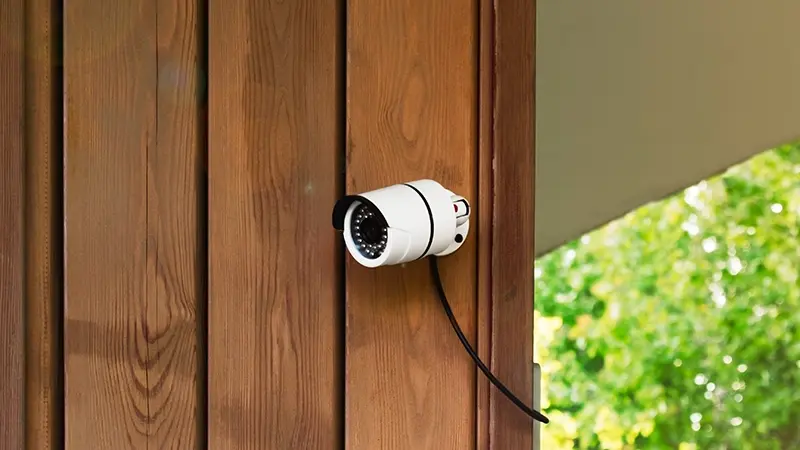
- Security cameras: Verify all cameras are functioning and positioned correctly after any winter maintenance.
Getting Ahead of It
Seasonal facilities don't fail compliance audits all at once. It usually comes down to one inspection that slipped, one building that lost monitoring coverage over winter, or one batch of credentials that never got cleaned up. It’s easy to miss without a consistent process in place.
If your organization manages multiple seasonal locations, map out your current gaps before the season starts: which buildings are due for inspection, whether monitoring is continuous across all sites, and how your credentialing process holds up at scale.
Brothers Fire & Security helps multi-site organizations across Minnesota stay on top of this. If you'd like to talk through what that looks like for your operation, we're happy to help.